




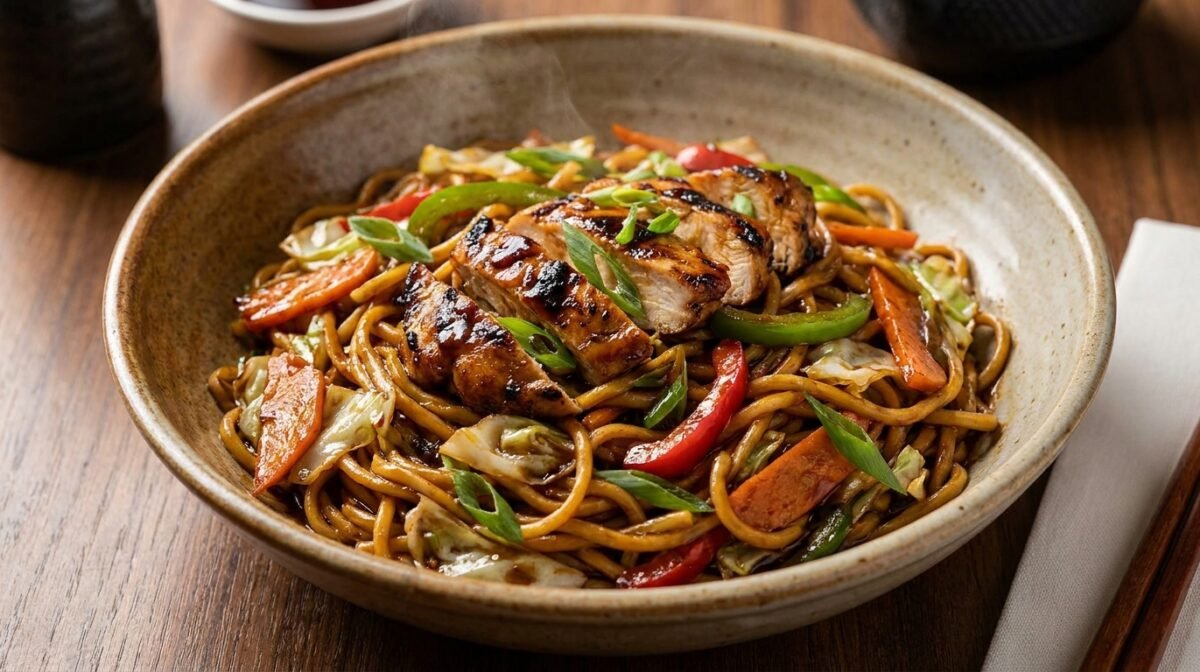
Stir-Fry Noodles Recipe: How to Get Restaurant-Style Flavor at Home?
Stir-fry noodles always seem to taste better at a restaurant, smoky, well-coated, and never clumpy. Meanwhile, homemade versions often turn out soggy, bland, or stuck together in one big mass. The gap usually comes down to a handful of technique details, not the ingredients themselves. Here’s how to close it, or if you’d rather skip the pan altogether, you can order stir-fry noodles made the right way.
Why Do My Stir-Fry Noodles Always Clump Together?
Clumping almost always comes down to two things: overcooked noodles and not enough oil. Noodles boiled too long release excess starch, which makes them sticky and prone to sticking together the second they hit the pan. Rinsing cooked noodles briefly in cold water stops the cooking process and washes away that extra starch, giving you separate, stir-fry-ready strands instead of a tangled clump.
What Makes Restaurant Stir-Fry Noodles Taste Smoky?
That distinct smoky flavor, often called “wok hei”, comes from cooking over very high heat in a wide pan or wok, letting the noodles and sauce briefly sear against the hot metal. Most home stoves don’t get quite as hot as commercial burners, but you can get close by using a wide pan, not overcrowding it, and working in batches if needed. Overcrowding the pan drops the temperature fast, which is the difference between a smoky sear and a steamed, flat-tasting result.
What Sauce Gives Stir-Fry Noodles That Deep, Savory Flavor?
A good stir-fry sauce usually layers a few things: soy sauce for saltiness, a touch of oyster sauce or hoisin for depth, garlic and ginger for aromatics, and a small amount of sugar to round out the sharpness. The order matters too, aromatics should hit hot oil first to release their flavor before the noodles and sauce go in, rather than being added all at once.
What Vegetables and Protein Work Best in Stir-Fry Noodles?
Firm vegetables that hold their crunch, bell peppers, carrots, cabbage, and green onions, work best, since they can handle high heat without turning mushy. For protein, thinly sliced beef, chicken, or shrimp cook quickly enough to stay juicy in a fast stir-fry. If you’re leaning more toward a rice-based dish instead, our stir-fry fried rice follows the same high-heat technique with a different base.
Stir-Fry Noodles or Stir-Fry Spaghetti – What’s the Difference?
They’re built the same way, just with a different base. Stir-fry noodles use classic egg or wheat noodles, giving a springier bite, while stir-fry spaghetti swaps in spaghetti for a heartier, more filling texture. Both take on the same smoky, savory sauce, so the choice really comes down to personal preference on texture.
Where Can I Order Fresh Stir-Fry Noodles Near Me?
If you’d rather skip the high-heat guesswork, our stir-fry noodles come out smoky and well-coated every time. Browse our full pasta & noodles menu for more options, including our creamy pasta if you’re in the mood for something richer instead of stir-fried.


